한국인들도 헷갈려하는 식문화 중 하나, 잘 알아보고 기억하세요. Let’s learn and remember the meanings behind Korean dining customs—even the ones that confuse native Koreans.
기본적인 한식 상차림 A basic Korean meal setting
한식 상차림을 마주하면 보통 쇠나 나무로 만든 숟가락과 젓가락을 사용합니다. 다른 아시아 국가들과 달리 한국의 숟가락은 납작하고 편평하며 밥과 국물을 떠 먹는 역할을 하죠. 젓가락 역시 쇠 젓가락이 보편적이라 외국인들이 처음 접하면 미끄러워 사용이 쉽지 않죠.
In a typical Korean meal setting, you’ll usually use a spoon and chopsticks made of metal or wood. Unlike in other Asian countries, the Korean spoon is flat and long, perfect for scooping up both rice and soup. Metal chopsticks are also the norm in Korea, which can feel a bit slippery and tricky at first for those not used to them.
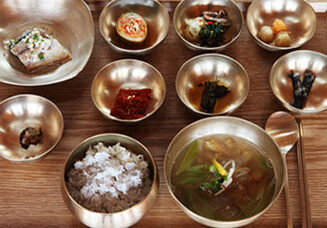
한식 상차림의 기본 원칙: 밥과 국의 위치
한식을 제대로 즐기려면 꼭 알아둬야 할 중요한 것이 있어요. 바로 밥과 국의 위치입니다.
기본 원칙: 밥은 왼쪽, 국은 오른쪽
이 규칙을 기억해 두세요. 한국인들도 가끔 헷갈리거나 크게 신경 쓰지 않는 경우도 있지만, 사실 이건 꽤 중요한 의미가 있습니다. 한국에는 제사와 차례라는 전통 문화가 있어요. 그런데 조상을 위한 제사나 차례 때에는 밥과 국의 위치가 바뀝니다. 즉, 살아있는 사람을 위한 식사에서는 밥이 왼쪽에 온다는 걸 기억하세요.

Basic Principles of Korean Table Setting: Position of Rice and Soup
There’s one more thing you need to know to properly enjoy Korean cuisine – the position of rice and soup.
Basic Rule: Rice on the left, soup on the right
Remember this rule. While Koreans sometimes get confused or don’t pay much attention to it, this actually has quite important meaning. Korea has traditional cultures called *jesa and charye. (* A Korean ritual to honor deceased ancestors with food offerings) However, during jesa or charye for ancestors, the positions of rice and soup are reversed. So remember that for meals for living people, rice goes on the left.
- 제사: 돌아가신 날 밤 0시에 지내며, 밥과 국을 올립니다.
- 차례: 설날이나 추석 아침에 지내며, 떡국이나 송편을 올립니다.
- Jesa: Held at midnight (0:00 AM) on the anniversary of an ancestor’s death. Steamed rice and soup are typically offered.
- Charye: Held in the morning on traditional holidays like Lunar New Year or Chuseok. Rice cake soup (tteokguk) or half-moon rice cakes (songpyeon) are usually offered.