한국에는 알아두어야 할 문화적 예절들이 있습니다. 미리 숙지하고 방문한다면 당황하거나 실수할 일 없겠죠? Knowing basic Korean etiquette before your visit can help you avoid awkward situation
1. 나이와 지위에 따라 달라지는 언어 Honorifics
상대방의 나이와 지위에 따라 존댓말(높임말)과 반말을 사용합니다. 어떤 형태의 말을 사용할지 알기 위해 처음 만나면 보통 “실례지만 몇 년생이세요?” 또는 “몇 학번이세요?”라고 물어보고 나이를 알아봅니다. 처음 만나는 사이일 때는 존댓말을 하는 것이 예의입니다. 혹시 한국어를 아신다면 꼭 ‘-요’, 또는 ‘-니다’를 사용하세요.
Koreans use formal and informal speech depending on the other person’s age and social position. To know which level of formality to use, people commonly ask “Excuse me, but what year were you born?” or “What’s your class year?” when first meeting someone to determine their age. It’s considered polite to use formal speech when meeting someone for the first time. If you speak Korean, always use the polite endings ‘-yo’ or -‘nida’.
2. 식사 예절 Table manners
식사 때는 가장 연장자가 수저를 들 때까지 기다린 후에 먹기 시작합니다. 보통 “잘 먹겠습니다”라고 말한 후에 소리를 내지 않고 먹습니다. 단, 국수류는 소리를 내어도 괜찮습니다. 한 번에 숟가락과 젓가락을 사용하지 않으며, 그릇은 꼭 식탁에 놓고 먹습니다.
At meals, you wait until the eldest person picks up their utensils before beginning to eat. Usually, you say “jal meokkesseumnida” (I will eat well/Thank you for the meal) before eating quietly without making noise. However, it’s acceptable to make slurping sounds when eating noodles. You don’t use a spoon and chopsticks simultaneously, and bowls must remain on the table while eating.
3. 인사 예절 Greeting etiquette
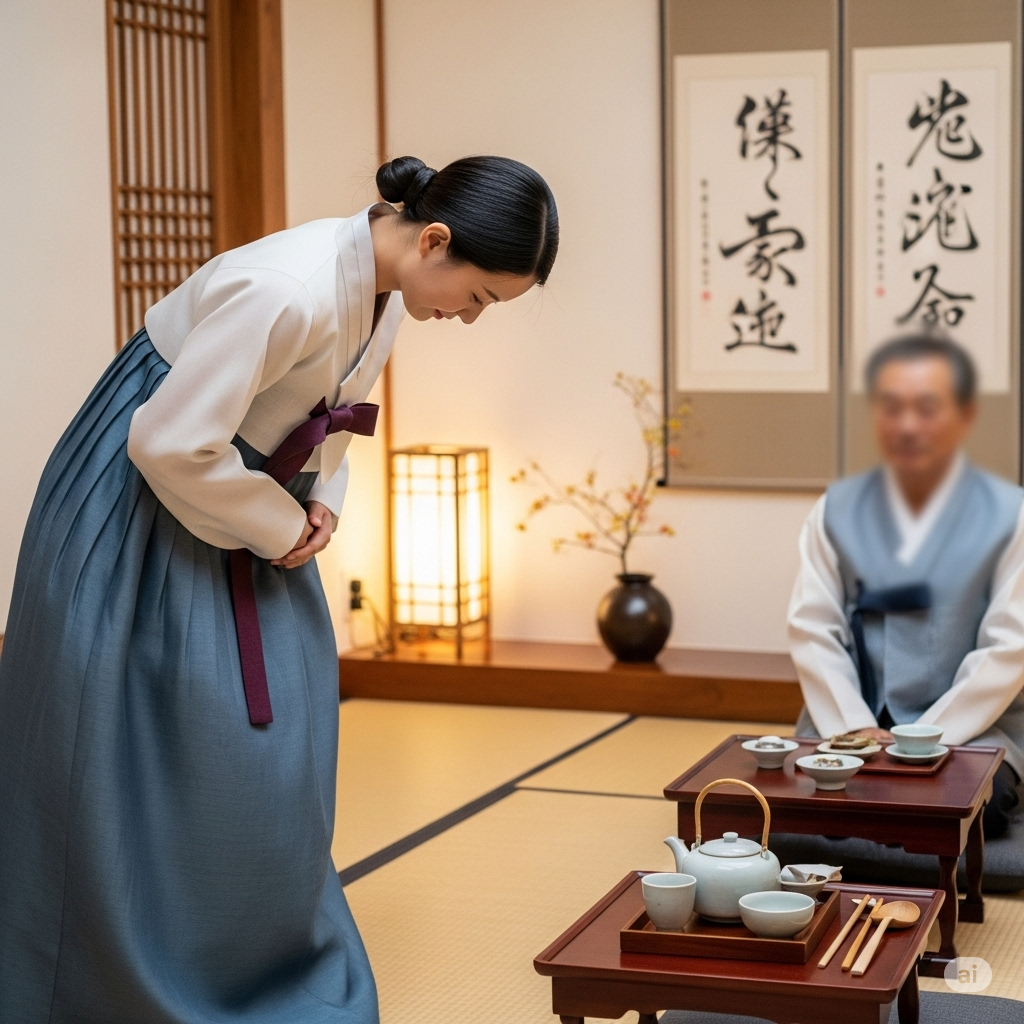
첫 만남이나 예의를 갖춰야 하는 상대에게는 두 손으로 악수를 하고 머리나 허리를 숙여 인사합니다.
- 두 손으로 악수하며 머리나 허리를 숙여 인사
- 연장자나 상급자에게는 더 깊게 인사
- 명함을 주고받을 때도 두 손 사용
- 90도 인사(최고 예의), 45도 인사(일반적 예의), 15도 인사(가벼운 인사)
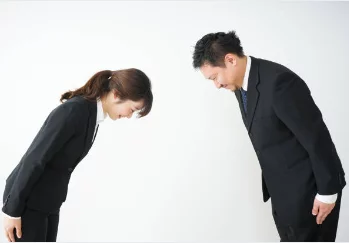
When meeting someone for the first time or someone who requires formal respect, you shake hands with both hands and bow your head or waist in greeting.
- Shake hands with both hands while bowing your head or waist
- Bow deeper to elders or superiors
- Use both hands when exchanging business cards
- 90-degree bow (highest respect), 45-degree bow (general courtesy), 15-degree bow (light greeting)
4. 음주 문화의 예절 Drinking culture etiquette
한국의 음주 문화에서는 연장자나 상급자가 먼저 건배하며, 술을 받거나 따를 때 두 손을 사용하고 연장자 앞에서는 고개를 돌리고 마십니다. 또한 빈 잔을 두지 않고 서로 따라주며, 자신의 잔에는 직접 따르지 않는 것이 예의입니다. 주로 회식(회사가 끝난 후에 같은 팀원들이 함께 식사와 뒤풀이)에서는 꼭 지켜져야 하는 예절입니다. 참고 링크 : https://www.youtube.com/watch?v=og5vQIC_4GU


In Korean drinking culture, elders or superiors initiate the toast first, and you must use both hands when receiving or pouring alcohol, while turning your head away when drinking in front of elders. Additionally, it is proper etiquette to keep refilling each other’s glasses without leaving them empty, and never pour into your own glass. These are essential manners that must be observed especially during “hoesik” (company gatherings where team members eat and socialize together after work).
5. 신발 문화
한국에서는 집에 들어갈 때 현관에서 신발을 벗고 슬리퍼나 맨발로 생활하는 것이 기본 예절이며, 남의 집을 방문할 때나 손님이 올 때는 꼭 양말을 신는 것이 예의입니다. 또한 학교에서는 실내화로 갈아신고, 일부 식당에서는 신발을 벗어야 하며, 찜질방에서는 제공되는 슬리퍼나 맨발로 입장하는 등 실내외를 구분하는 문화가 발달되어 있습니다. 이는 집을 신성한 공간으로 여기는 전통과 위생을 중시하는 문화, 그리고 온돌 바닥 문화와도 연관이 있습니다.
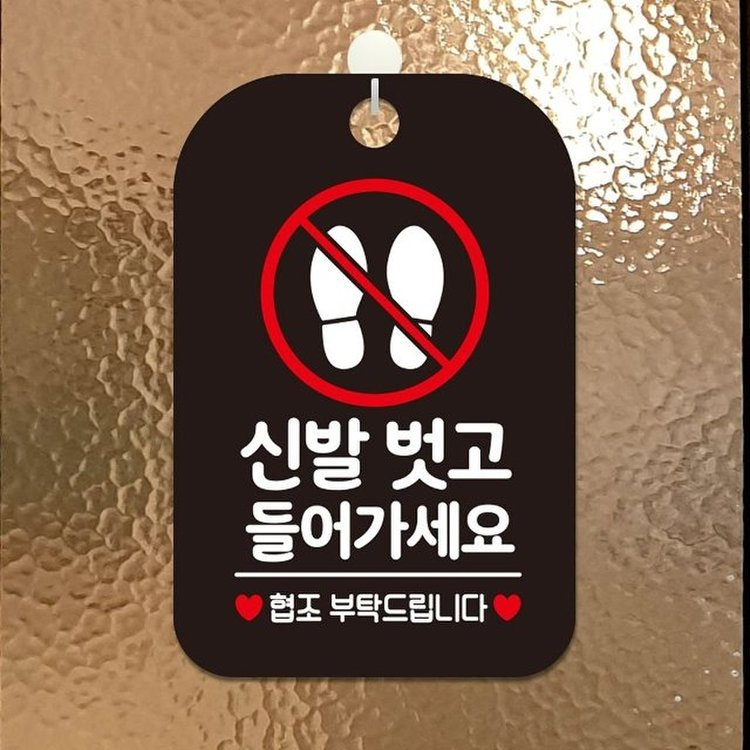
It is basic etiquette to take off your shoes at the entrance when entering a home and live in slippers or barefoot, and it is polite to wear socks when visiting someone else’s house or when guests come over. Additionally, students change into indoor shoes at school, some restaurants require removing shoes, and at jjimjilbangs (Korean saunas) you must enter with provided slippers or barefoot, showing a well-developed culture of distinguishing between indoor and outdoor spaces. This is related to the tradition of considering the home a sacred space, a culture that emphasizes hygiene, and the ondol (underfloor heating) culture.